
Why Buyers Fall in Love With the Wrong Home
It usually happens in the first few minutes of a showing. The light hits the kitchen just right, the fireplace crackles, and suddenly the house feels like home. That rush of emotion is powerful, and it sits at the heart of why buyers fall in love with the wrong home. In competitive markets like Edmonton and Calgary, where good listings can draw multiple offers within days, that feeling can push people to skip questions they would usually ask. Understanding the psychology of first impressions helps you enjoy the excitement without letting it make a six-figure decision for you.
What Makes a Home Feel Like “The One” So Quickly?
A home feels like the one so quickly because emotion reaches a verdict long before logic catches up. Many buyers decide how they feel in the first few minutes of a showing. They then spend the rest of the visit looking for reasons to agree. Confirmation bias is the tendency to notice evidence that supports what you already believe and overlook evidence that does not. Common emotional traps include:
-
Picturing holidays and milestones before checking the furnace
-
Overvaluing a single standout feature, such as a chef’s kitchen
-
Comparing every later showing to the first home you loved
-
Going along with a partner’s enthusiasm to avoid friction
-
Feeling pressure to act before another buyer does
Slowing down with a prepared list of questions every first-time buyer should ask their realtor keeps the practical side of the decision in the room.
Why Do Staged Homes Win Hearts So Easily?
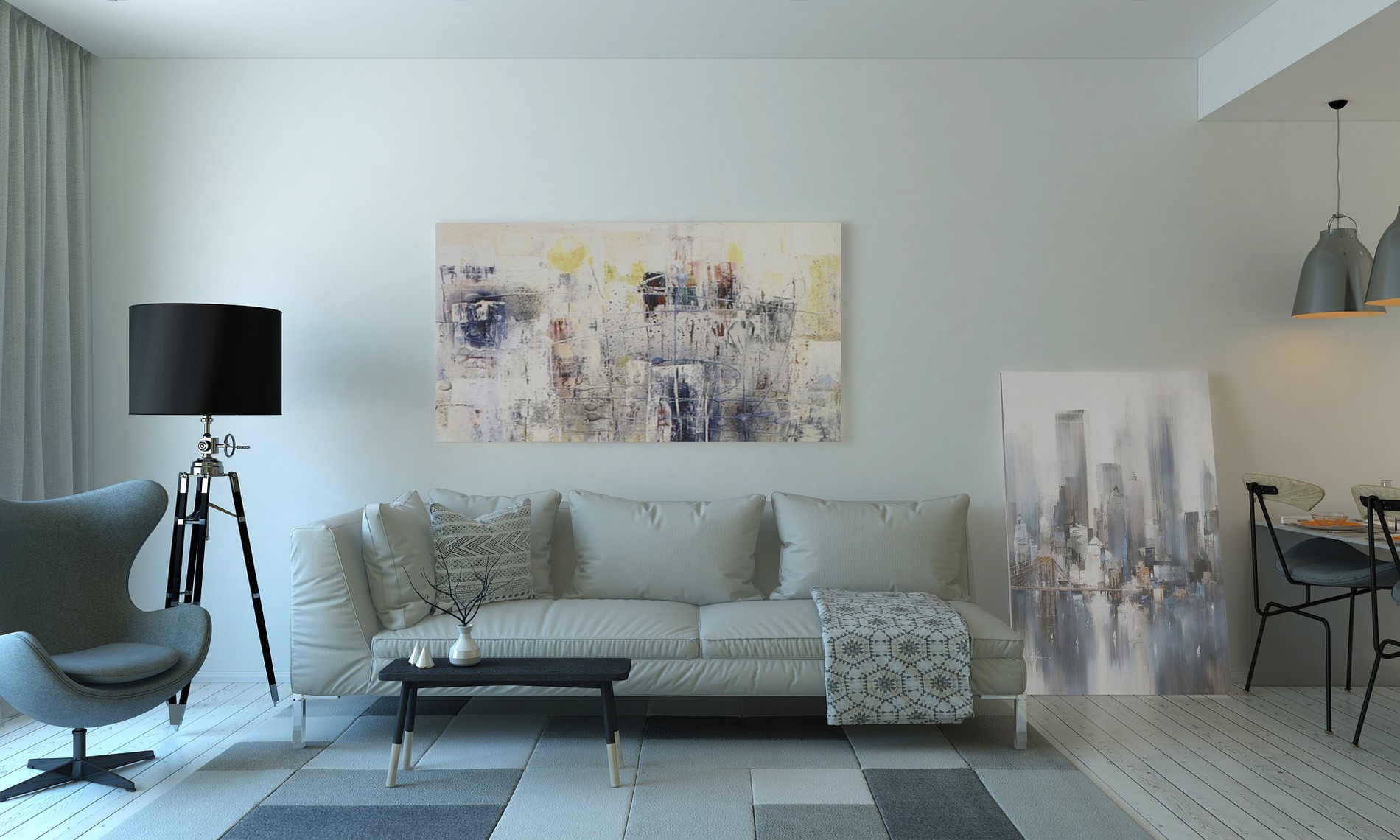
Staged homes win hearts because professional styling sells a lifestyle, not just square footage. Fresh flowers, neutral paint, and carefully placed furniture make rooms look larger, brighter, and calmer than they will feel once your own belongings arrive. Scent, music, and soft lighting add to the effect during open houses. Staging is a legitimate selling tool, but it can also hide awkward layouts, small bedrooms, or dated finishes.
The better approach is to separate what you can change from what you cannot. Paint colours, light fixtures, rugs, and furniture are among the easiest ways to make it yours after closing. Room sizes, natural light, and the lot itself, on the other hand, stay fixed. Judge each home on its permanent features, and treat the décor as temporary.
What Do Buyers Overlook When They Fall Hard?
Buyers who fall hard often overlook the costly, unglamorous parts of a house. The age of the roof, furnace, and windows deserves close attention in Alberta, where long winters put heating systems and building envelopes under real strain. A beautiful renovation can sit on top of an aging foundation or an outdated electrical panel.
Location gets overlooked too. A dream kitchen will not shorten a 50-minute commute, fix a busy road out front, or change the school catchment. Check noise levels, parking, and how far the nearest grocery store really is. Visit the neighbourhood on a weekday evening and a Saturday morning to see how it actually feels before you commit.
Can Falling in Love Lead You to Overpay?
Yes, emotional attachment is one of the most common reasons buyers pay more than a home is worth. Once you have pictured your life in a house, walking away feels like a loss, so bidding a little higher seems reasonable. That reasoning can repeat several times in a multiple-offer situation. Waiving conditions to win a bidding war adds even more risk, since a home inspection is one of the few protections a buyer has.
Comparable sales offer the best reality check. Ask your agent for recent sales of similar homes nearby, and compare price per square foot, condition, and lot size. Knowing the warning signs of an overpriced home makes it easier to set a firm ceiling before you start negotiating.
How Much Home Can You Comfortably Carry?
You can comfortably carry a home whose total costs fit well within lender limits, not right at them. The Financial Consumer Agency of Canada’s mortgage qualifier tool uses a 39% guideline for the gross debt service (GDS) ratio. Its guideline for the total debt service (TDS) ratio is 44%. GDS compares your essential housing costs, including the mortgage payment, to your gross income.
The FCAC also warns that higher ratios increase the risk of taking on more debt than you can afford. A home at the very top of your approval leaves no room for property taxes, winter heating bills, or a surprise repair. Setting your own comfort number below the bank’s maximum protects you from your own enthusiasm.
How Can Couples Stay Grounded During the Search?
You stay grounded by setting priorities before the first showing, not during it. A written list of must-haves, nice-to-haves, and deal-breakers gives you a neutral way to judge each property, especially after a showing that left you starry-eyed. Scoring every home against that list the same evening keeps one great kitchen from outweighing a long commute or a tired roof.
A second opinion helps too, whether it comes from your agent, a trusted friend, or the person you are buying with. Shared purchases add their own pressure, since one partner falling for a home can leave the other reluctant to object. Having the honest conversation couples need to have about budgets, debt, and long-term plans before the search begins keeps one person’s excitement from setting the price.
Let Your Head Sign Off on What Your Heart Chooses
Understanding why buyers fall in love with the wrong home makes it easier to enjoy that spark without letting it take over. Staging, confirmation bias, and the fear of losing out all push buyers toward quick decisions. Meanwhile, the furnace, the commute, and the monthly payment quietly decide whether a home works long term. Separate the décor from the bones, check comparable sales, and set a budget ceiling before you fall for anything. Then book your next showing with a clear list in hand and a partner or agent ready to ask the hard questions.

Photo credits: stock.adobe.com


Post a Comment